 R7 Orbit


Game
Orbit Royale
Orbit Royale is a first-person sci-fi shooter that you play in the browser.
- Desktop
ProjectPlayable
A 3D climbing game in the browser: from a workshop floor to the brass ring in orbit, with no checkpoints unless you turn on assist mode.
AI-written
Building
Needs WebGL, a keyboard and a mouse.
Desktop
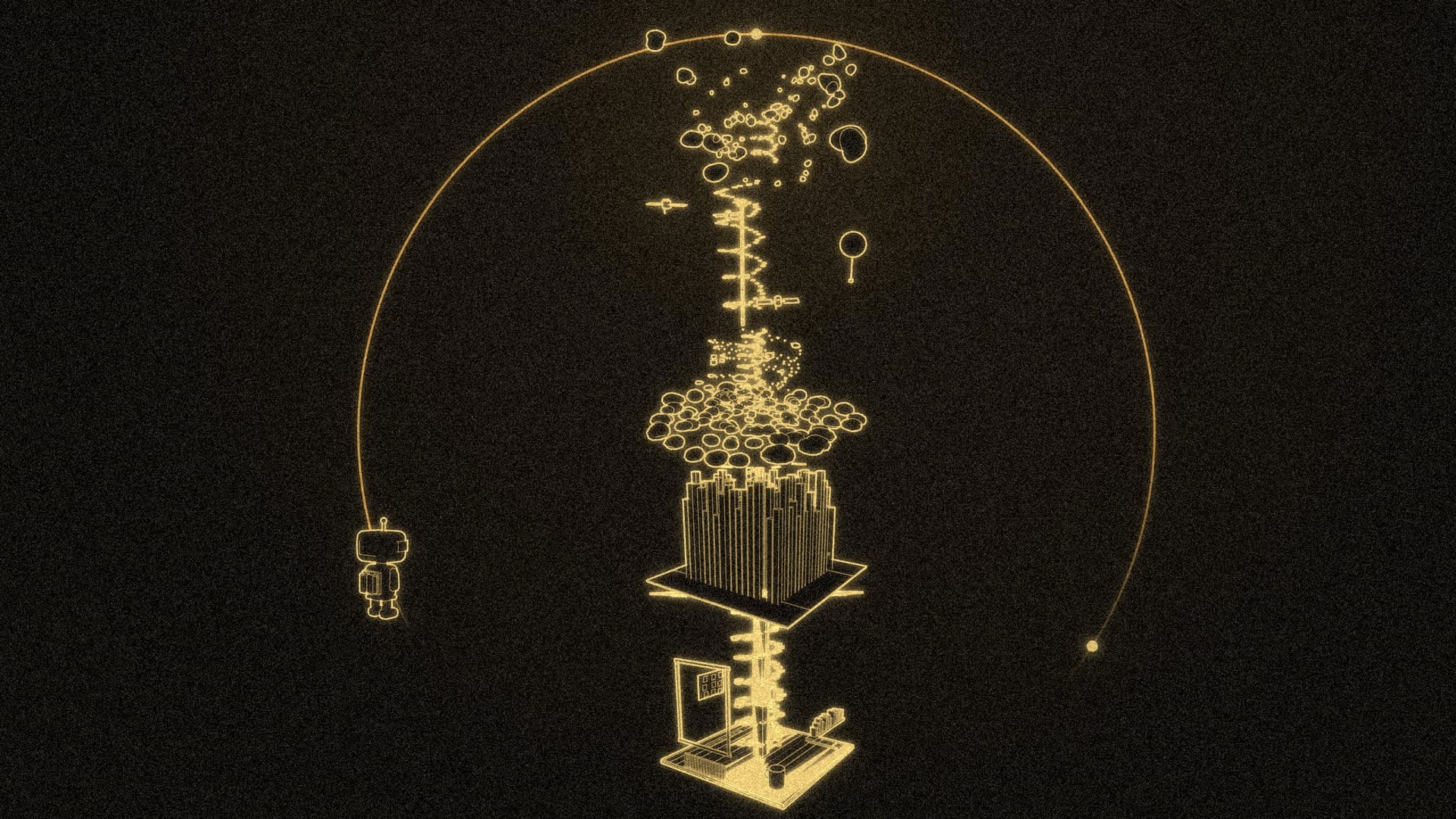
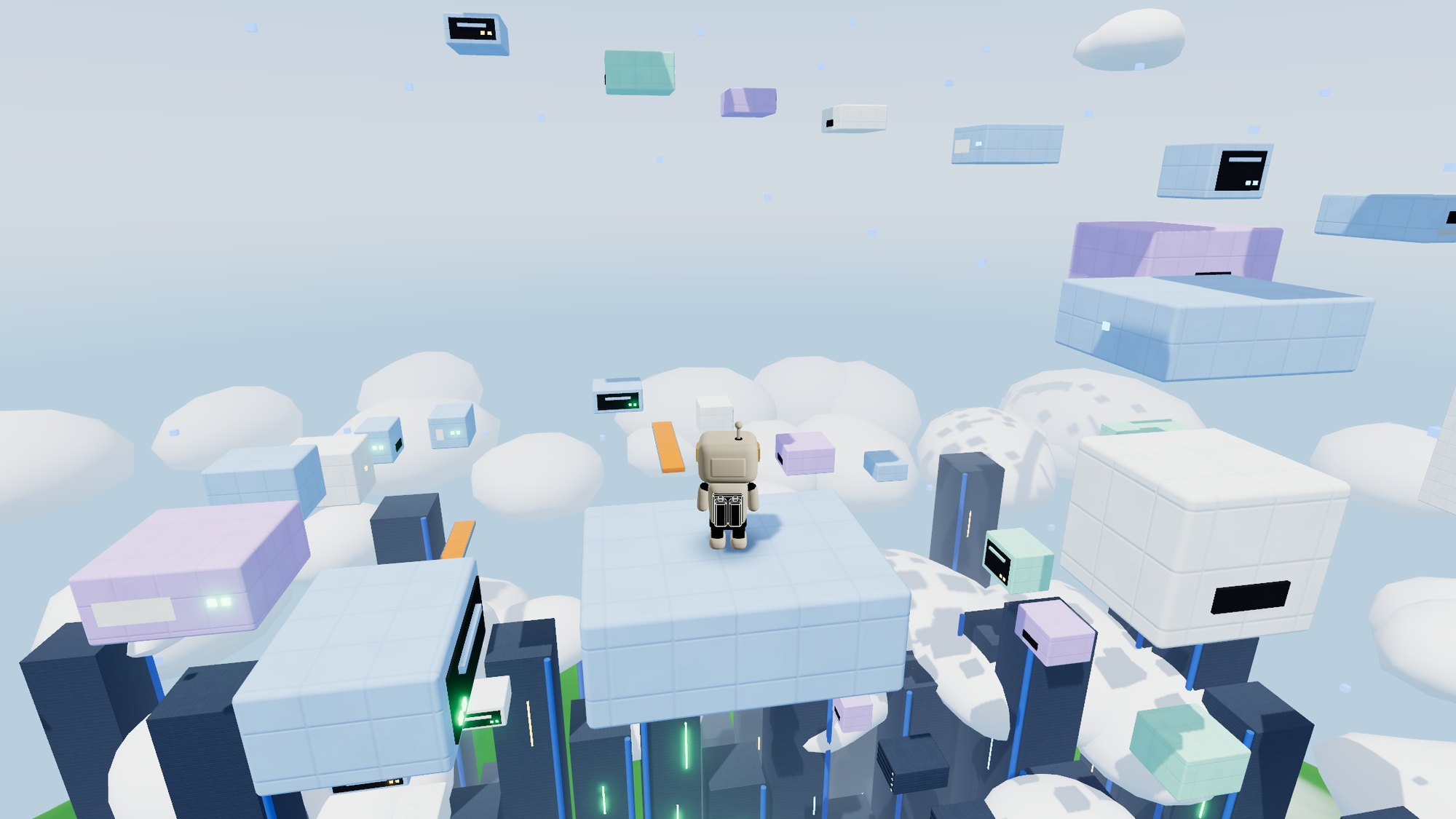
R7: Ascent is a 3D climbing game that runs in the browser. You start on the floor of a giant workshop and climb through five zones to the brass ring from the R7 logo, in orbit. One missed jump can drop you a long way, and by default there are no checkpoints. A first climb is meant to take 15 to 20 minutes. (The name is a nod to the R-7, the rocket that put Sputnik into orbit.)
You play as a small robot: an ivory head with one brass visor band, a short antenna, and a battery pack on its back, since the camera sees it from behind most of the time. Each zone adds one new kind of jump:
Assist mode, in the pause menu, adds beacons along the way: fall too far and you go back to the last one you touched. The game saves your climb in the browser when you pause or leave. It needs a keyboard and a mouse, so it plays on a computer, not a phone.
The game runs on three.js, a library for drawing 3D in the browser, and loads only when you press Play, so the page stays light until then.
Every model and level is a Python script that Blender, a free 3D program, runs without opening a window. The script builds the scene from numbers and exports it as a file the game reads. Taller server racks, say, are an edit to the script and a rebuild. The climb’s 451 steps come from one of these scripts: it places each step from the last, inside the reach of a jump, and moves it until nothing blocks the way or the room above it. A test then reads the exported files and checks every step against the game’s own jump, so a layout change that breaks the climb fails before anyone plays it.
The jump is built to be fair. A jump still counts just after you step off an edge, a jump pressed just before you land happens when you land, and holding Space gives a full jump while a tap gives a short hop.
| Worked | Did not |
|---|---|
| Scripts as the level editor: Hunter reviews renders and plays the result, and every change is an edit and a rebuild | The first character was a plain capsule. Hunter found it too plain, so it became the robot |
| A test that checks all 451 steps against the jump | The robot’s first renders looked flat. Smooth shading and lights that turn with the camera fixed it |
| Loading the game only on Play | The first renders of the whole climb never finished: the script added each edge line to one growing mesh, slower with every line. Built all at once, the whole run of renders takes about 12 seconds |
| Zones that load as you climb toward them | The climb’s length was an estimate from the layout, about 16 minutes without a fall. Hunter’s first full climb took 17:49, in assist mode |
Writing about it

This website and four browser games, built by AI agents working in R7 Orbit under Hunter's direction, and what the project history shows about how.
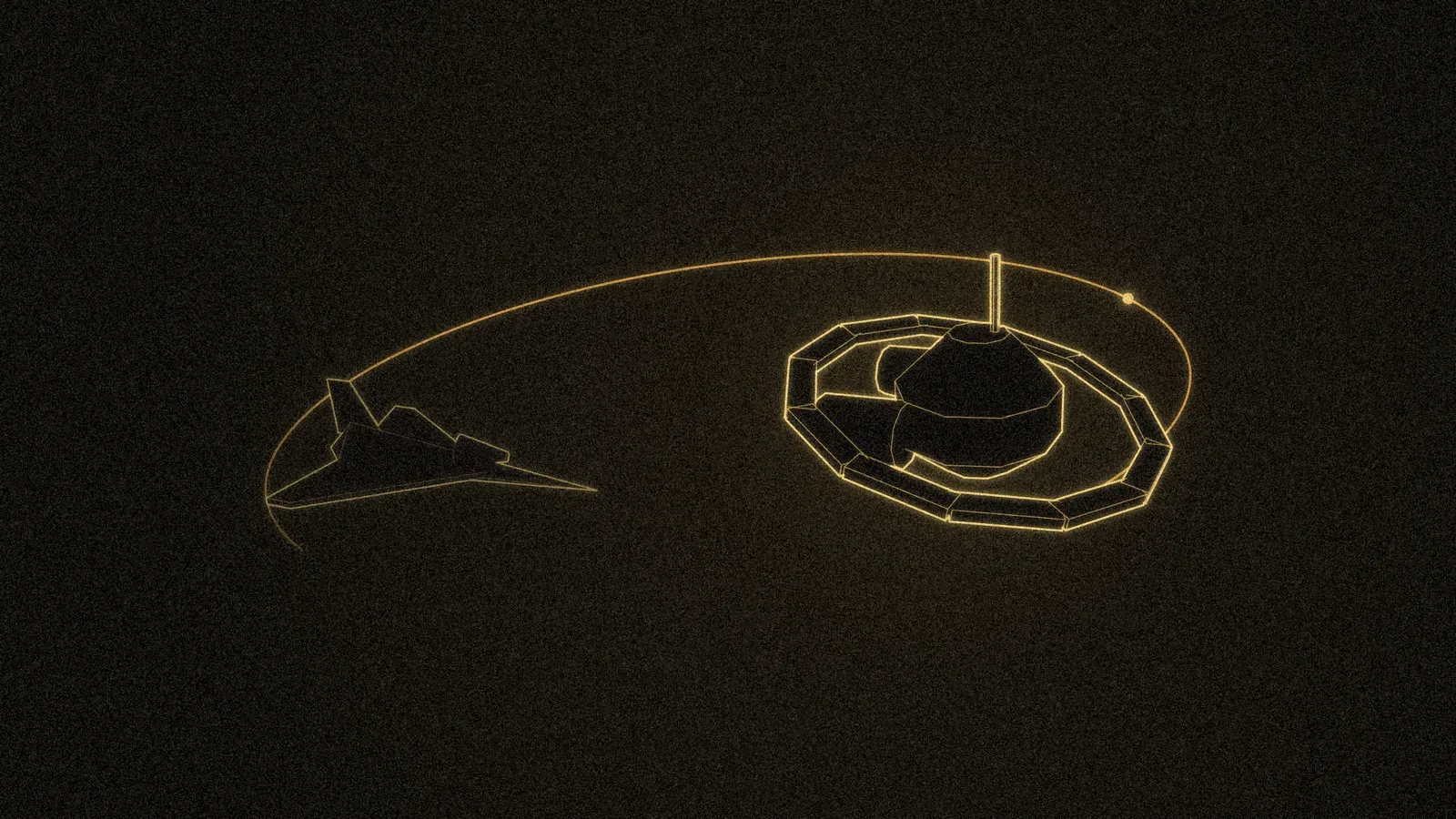
Anthropic changed a Claude Code rule that turned down game projects naming an existing game. Claude should now build an original game in that genre.
Blackjack with pretend chips, pool and pong against R7, two classics, a 70-level platformer and a voxel world, all on R7 Home's touchscreen.
Play in the browser
Orbit Royale is a first-person sci-fi shooter that you play in the browser.

A browser game where you start as a drifting pebble and grow through 12 forms, from Meteorite to Black Hole, absorbing what is smaller.